


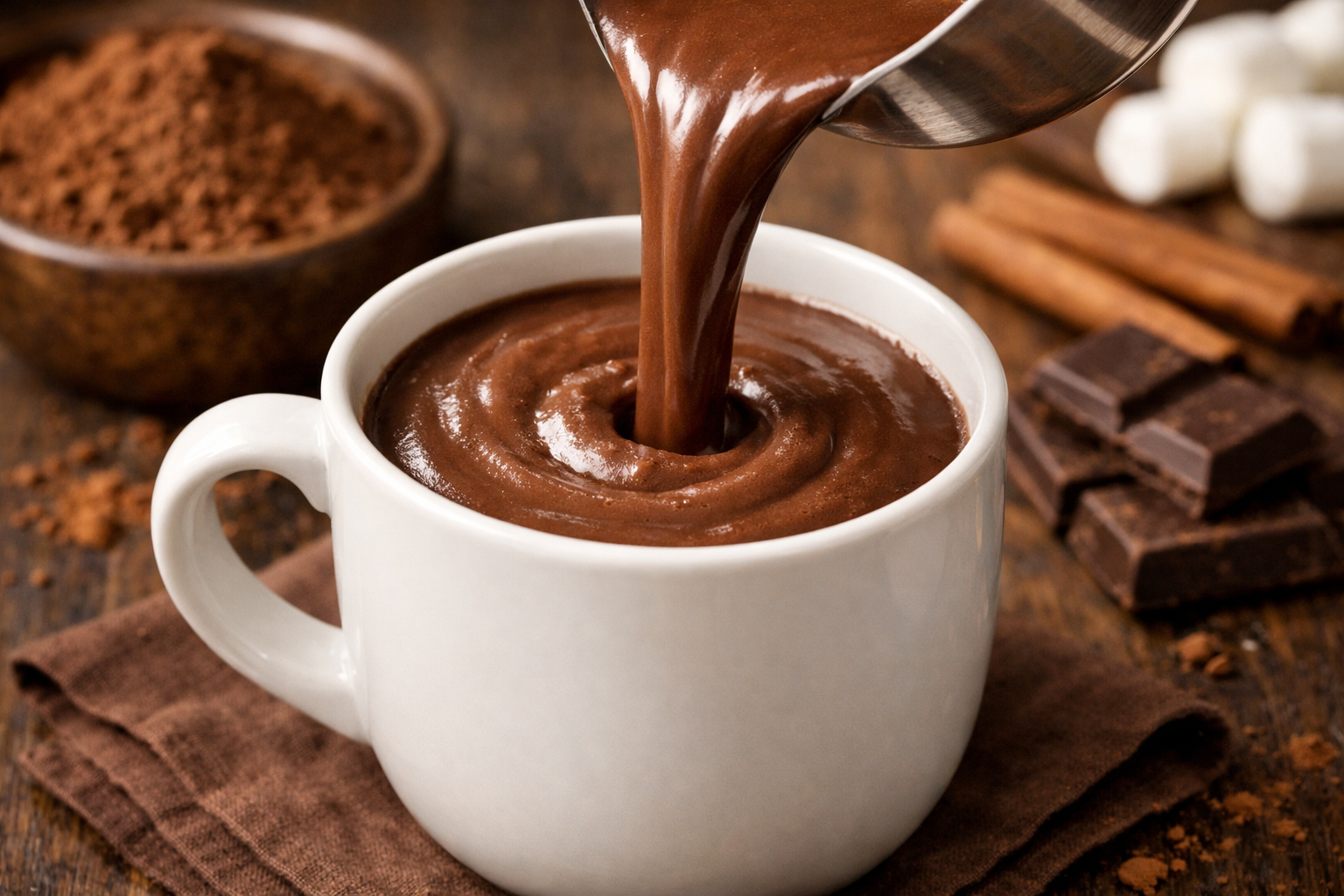
Hot Chocolate Recipe With Cocoa Powder: Paste

Here's the truth: most people mess up hot chocolate made with cocoa powder because they skip the most important step, and then wonder why their drink is lumpy, thin, and tastes vaguely like disappointment.
I learned how to make proper hot chocolate from my roommate in college who'd worked at a café. She showed me the paste method, and it completely changed the game. No more sad, grainy hot cocoa that tastes like chocolate-flavored water. We're talking rich, smooth, actually-chocolatey hot chocolate that you'd pay $6 for at a coffee shop.
The beauty of making hot chocolate with cocoa powder instead of chocolate bars or packets is that you control everything—sweetness level, thickness, flavor additions. Plus, when you use quality organic cacao powder, you're getting legitimate antioxidants and minerals along with your comfort drink.
This guide covers the exact technique that prevents lumps, the ratios that create perfect texture, and the small details that separate mediocre hot chocolate from the kind that makes you forget you're an adult with responsibilities.

Why Cocoa Powder Makes Great Hot Chocolate
It's More Versatile Than You Think
Cocoa powder might seem like the budget option compared to melting fancy chocolate bars, but it has real advantages. You can adjust the chocolate intensity independently from the sweetness, which you can't do with pre-sweetened chocolate. Want a super dark, barely sweet hot chocolate? Easy. Prefer it sweeter? Also easy. With chocolate bars, the sugar content is locked in.
The other thing is that unsweetened cocoa powder stores forever in your pantry and costs way less per serving than buying chocolate bars. A good tin of cocoa powder will make you dozens of cups of hot chocolate.
Understanding Cocoa vs. Cacao Powder
You'll see both terms at the store, and yes, they're different. Cocoa powder is roasted, which gives it that classic hot chocolate flavor most of us grew up with—warm, familiar, slightly sweet even without sugar added. Cacao powder is the raw, unroasted version that's more nutritionally intact but has a sharper, more bitter edge.
For classic hot chocolate that tastes like your childhood but better, cocoa powder is the move. If you want to level up to something more nutrient-dense and don't mind a more intense flavor, organic cacao powder is worth trying. Both work with the same technique; the flavor profile just shifts.
To understand the nuances better, check out our guide on cacao powder vs cocoa powder which breaks down processing methods and how they affect your final cup.
What About Dutch-Processed Cocoa?
Dutch-processed (alkalized) cocoa has been treated to reduce acidity, making it darker and smoother-tasting. It dissolves more easily than natural cocoa powder, which is why a lot of commercial hot chocolate mixes use it. For hot chocolate specifically, Dutch-processed is slightly easier to work with, but natural cocoa powder works perfectly fine if you follow the paste method below.
The One Technique That Prevents Lumps: Make a Paste First
This is non-negotiable if you want smooth hot chocolate. Cocoa powder is hydrophobic—it repels water. When you dump powder directly into hot milk, the particles clump together before they can properly dissolve, and you end up with grainy, lumpy hot chocolate no amount of whisking will fix.
The solution: create a paste with a small amount of liquid first.
Here's how it works: you mix your cocoa powder with your sweetener (sugar, coconut sugar, whatever) and a tiny bit of warm milk or water—just enough to form a thick, smooth paste. This allows the cocoa particles to hydrate gradually in a controlled way. Once you have a uniform paste with no dry spots, you can whisk it into the rest of your hot milk without any lumps forming.
This is the same technique professional baristas use, and it's the difference between amateur hot chocolate and something that actually tastes professional.

The Perfect Hot Chocolate Recipe with Cocoa Powder
Prep Time: 2 minutes | Cook Time: 5 minutes | Servings: 1
Ingredients:
- 2 tablespoons unsweetened cocoa powder (natural or Dutch-processed)
- 1-2 tablespoons sugar (adjust to taste; start with 1 and increase if needed)
- 1 cup (8 oz) milk (whole milk, oat milk, or almond milk all work)
- 1/4 teaspoon vanilla extract
- Pinch of sea salt (seriously, don't skip this)
Optional flavor boosters:
- 1/4 teaspoon cinnamon
- Tiny pinch of cayenne pepper for warmth
- 1 tablespoon espresso for a mocha version
Instructions:
Step 1: Make the Cocoa Paste
In your mug or a small bowl, combine the cocoa powder, sugar, and salt. Add about 2 tablespoons of warm milk (you can microwave it for 10 seconds if needed). Use a spoon or small whisk to mix this into a completely smooth paste. Make sure there are no dry pockets of powder—everything should be uniformly dark and glossy.
Step 2: Heat Your Milk
Pour the remaining milk into a small saucepan. Heat over medium heat, stirring occasionally, until it's steaming and tiny bubbles form around the edges. You want it hot but not boiling—around 160-180°F is perfect. If it starts to form a skin on top or you see big bubbles forming, you've gone too far.
Step 3: Combine Paste and Milk
Remove the saucepan from heat. Add your cocoa paste to the hot milk. Whisk continuously for about 30 seconds until the paste is completely dissolved and the mixture is smooth. You should see the color become uniform throughout.
Step 4: Add Vanilla and Whisk Vigorously
Add the vanilla extract and any other flavorings you're using. Now here's the secret to making it feel fancy: whisk vigorously for 15-20 seconds. You're trying to create a little foam on top, which makes the texture feel richer and adds that café vibe.
Step 5: Taste and Adjust
Take a small sip. Not sweet enough? Add a bit more sugar, stir until dissolved. Want more chocolate intensity? Mix another teaspoon of cocoa powder with a tiny bit of hot chocolate to make a mini-paste, then whisk that in.
Step 6: Serve Immediately
Pour into your favorite mug. Top with whipped cream, marshmallows, or a dusting of cocoa powder if you're feeling extra.
Why This Recipe Works
The paste method ensures zero lumps. The salt enhances the chocolate flavor (trust me on this). The final vigorous whisking incorporates air, making the texture lighter and more luxurious. And heating the milk to the right temperature—not too hot, not too cool—keeps it smooth without developing that weird skin or scorched flavor.
How to Customize Your Hot Chocolate
Sweetener Options
Granulated sugar is classic and dissolves easily. Start with 1 tablespoon and work up.
Coconut sugar adds a slight caramel flavor that's really nice with chocolate. Use the same amount as regular sugar.
Maple syrup or honey work great but add them after you remove the pan from heat so you don't overheat them. Start with 1 tablespoon.
Sugar-free options like stevia or monk fruit work fine, but they don't add the body that sugar does, so your hot chocolate might be slightly thinner. You can use our sugar-free drinking chocolate as a base if you want to avoid adding sweeteners altogether.
Milk Alternatives
Whole milk creates the richest hot chocolate because of the fat content. 2% is fine but noticeably thinner.
Oat milk is hands-down the best plant-based option. It froths well, tastes neutral, and has a creamy texture similar to dairy milk.
Coconut milk (the canned, full-fat kind) makes incredibly rich hot chocolate but adds coconut flavor. Some people love this; others don't.
Almond milk works but can be a bit thin. If you use it, consider adding a teaspoon of coconut oil to boost the richness.
Soy milk is fine but can have a beany aftertaste that competes with the chocolate.
Flavor Variations That Actually Work
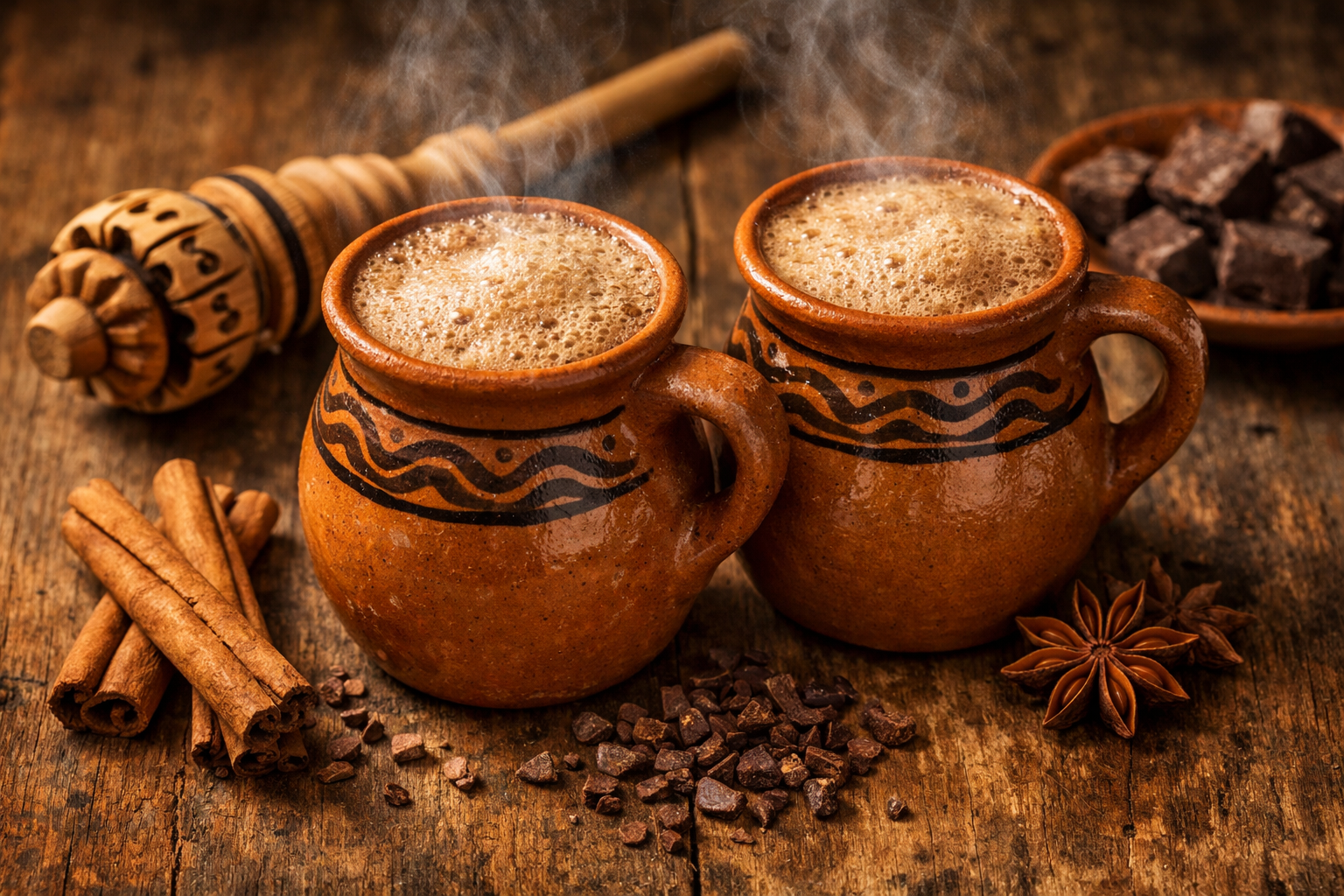
Mexican-style: Add 1/4 teaspoon cinnamon and a tiny pinch of cayenne pepper to your cocoa paste. The warmth sneaks up on you in the best way. For the full experience, check out our Mexican hot chocolate recipe.
Mocha: Add 1-2 tablespoons of strong espresso or 1 teaspoon of instant coffee to your hot milk before combining with the cocoa paste. The coffee amplifies the chocolate flavor.
Peppermint: Add 1/4 teaspoon peppermint extract (not more—it's strong) after removing from heat. Crush up a candy cane on top if you're making this during the holidays.
Salted caramel: Drizzle caramel sauce into the bottom of your mug before pouring in the hot chocolate, then top with flaky sea salt.

Coconut Milk Powder
A spoonful in hot water + cacao paste makes the kind of creamy plant-based hot chocolate that tastes indulgent without any of the dairy aftermath. Pure coconut.
Shop coconut milk powder →Dark chocolate: Use 3 tablespoons of cocoa powder instead of 2, and reduce sugar to 1 teaspoon. This creates a more sophisticated, less sweet version.
Common Mistakes and How to Fix Them
Mistake #1: Skipping the Paste Step
If you add cocoa powder directly to hot milk, you'll fight lumps forever. Even if you whisk aggressively, you'll likely end up with gritty sediment at the bottom of your mug.
Fix: Always make the paste first. It takes 30 seconds and saves you so much frustration.
Mistake #2: Boiling the Milk
Boiled milk develops a skin on top, can taste slightly burnt, and might separate if you're using plant-based milk. You're also more likely to scorch the bottom of your pan.
Fix: Heat until steaming with small bubbles at the edges. If you have a thermometer, aim for 160-170°F. If you don't, just watch for steam and remove it before big bubbles form.
Mistake #3: Using Old Cocoa Powder
Cocoa powder doesn't go bad in a dangerous way, but it does lose flavor and aroma over time, especially if stored improperly. Old cocoa tastes flat and dull.
Fix: Store cocoa powder in an airtight container in a cool, dark place. If your cocoa is more than a year old and has no smell when you open the container, it's time to replace it. Quality matters—our organic cacao powder is always fresh and properly stored before it reaches you.
Mistake #4: Not Using Enough Cocoa Powder
One tablespoon of cocoa powder per cup makes chocolate-flavored milk, not hot chocolate. You need at least 2 tablespoons for proper chocolate intensity.
Fix: Start with 2 tablespoons and go up to 3 if you want it really chocolatey. Don't be shy—cocoa powder is cheap, and more chocolate is rarely a bad thing.
Mistake #5: Forgetting the Salt
Salt is a flavor enhancer. Without it, your hot chocolate tastes one-dimensional even if you nail everything else.
Fix: Add a small pinch (about 1/8 teaspoon) to your cocoa paste. You shouldn't taste the salt itself; it should just make the chocolate taste more chocolatey.
Mistake #6: Not Whisking Enough at the End
A quick stir isn't enough. You need to whisk vigorously to incorporate air and create a lighter texture.
Fix: After everything is combined, spend 15-20 seconds whisking hard. Your arm should feel it. This creates micro-bubbles that make the hot chocolate feel luxurious instead of flat.
Hot Chocolate vs. Hot Cocoa: What's the Difference?
People use these terms interchangeably, but they're technically different drinks. Hot chocolate is made by melting actual chocolate (chocolate bars, chocolate chips) in milk or cream. Hot cocoa is made with cocoa powder. Hot chocolate tends to be thicker and richer because you're getting the cocoa butter from the chocolate along with the cocoa solids.
The recipe in this guide is technically hot cocoa, but it's so much better than the watery stuff most people make that it feels wrong to call it that. If you want to understand the full distinction, our article on the difference between hot chocolate and hot cocoa goes deep.
Both are delicious. Hot cocoa (made right, with the paste method) is faster and more customizable. Hot chocolate made with melted chocolate bars is richer but requires more effort and more expensive ingredients.
Nutrition and Health Benefits (When You Use Quality Cocoa)
What's Actually in Cocoa Powder?
Unsweetened cocoa powder is surprisingly nutritious. It's packed with flavonoids (antioxidants that support heart health), iron, magnesium, and fiber. A 2-tablespoon serving has about 25 calories before you add milk and sugar.
The catch is that commercial hot chocolate mixes are loaded with sugar—sometimes 20+ grams per serving. When you make hot chocolate from scratch with cocoa powder, you control the sugar content and can make it significantly healthier.
The Antioxidant Angle
Cocoa powder ranks high on the ORAC scale (Oxygen Radical Absorbance Capacity), which measures antioxidant content in foods. These antioxidants, particularly epicatechin, have been studied for cardiovascular benefits. A 2019 study in the American Journal of Clinical Nutrition found that cocoa flavanols improved blood flow and reduced blood pressure in participants who consumed cocoa daily.
Of course, adding a bunch of sugar and whole milk changes the health profile, but using quality organic cacao powder and keeping your sweetener moderate means you're getting genuine nutritional benefits along with your indulgent drink.
Caffeine Content
Cocoa powder contains small amounts of caffeine and more theobromine (a mild stimulant similar to caffeine). A 2-tablespoon serving has about 12-20mg of caffeine—roughly the same as decaf coffee. This is usually not enough to keep you awake, but if you're very sensitive to caffeine, you might want to avoid drinking hot chocolate right before bed.
For more details on how cacao affects energy levels, check out our guide on how much cacao powder per day is safe and beneficial.
Storing and Scaling This Recipe
Making Hot Chocolate for a Crowd
Multiply the ingredients based on how many servings you need:
- 4 servings: 8 tablespoons cocoa powder, 4-8 tablespoons sugar, 4 cups milk
- 8 servings: 1 cup cocoa powder, 1/2-1 cup sugar, 8 cups milk
Make the cocoa paste in a large bowl using about 1/2 cup of warm milk. Heat the remaining milk in a large pot. Whisk the paste into the hot milk gradually, stirring constantly. Keep warm over low heat (don't let it simmer) and serve from the pot or pour into a large thermos.
Can You Make a Hot Chocolate Mix to Store?
Yes! Combine cocoa powder, sugar, powdered milk (optional), and salt in a jar. For instant hot chocolate, use 3-4 tablespoons of the mix per cup of hot water or milk. The paste method still works better for texture, but having a premade mix is convenient.
Basic mix ratio:
- 1 cup cocoa powder
- 1 cup sugar (adjust to taste)
- 1/2 teaspoon salt
- Optional: 2 cups powdered milk for extra creaminess
Store in an airtight container for up to 6 months. Shake before each use since ingredients can settle.
Leftover Hot Chocolate?
Hot chocolate doesn't really keep well—it separates and gets grainy when reheated. If you have leftovers, use them within 24 hours. Store in the fridge and reheat gently over low heat, whisking constantly. Better yet, just make what you'll drink.
FAQs About Making Hot Chocolate with Cocoa Powder
What's the difference between cocoa powder and cacao powder for hot chocolate?
Cocoa powder is roasted and processed, giving it a milder, sweeter flavor that most people recognize as "classic" hot chocolate. Cacao powder is raw and minimally processed, offering more nutrients and a more intense, slightly bitter chocolate taste. Both work for hot chocolate, but cocoa powder creates the flavor most Americans grew up with, while cacao delivers more antioxidants and a deeper chocolate experience.
How do I prevent lumps when making hot chocolate with cocoa powder?
Create a paste first by mixing the cocoa powder with a small amount of warm liquid (about 2 tablespoons of milk) before adding it to the full amount of hot milk. This technique allows the cocoa particles to hydrate gradually and evenly, preventing the clumping that happens when powder hits hot liquid directly. Whisk the paste until completely smooth before combining with the rest of your milk.
Can I make hot chocolate with cocoa powder without milk?
Yes, you can use water instead of milk, but the texture will be thinner and less creamy. For better results with water, add 1 tablespoon of coconut oil or a small piece of cocoa butter to replicate the richness milk provides. Plant-based milks like oat milk or coconut milk work beautifully as dairy alternatives and give you much better texture than water alone.
How much cocoa powder should I use per cup of hot chocolate?
Use 2 tablespoons of cocoa powder per 8-ounce cup of liquid for standard hot chocolate. If you want it more intense and less sweet, increase to 3 tablespoons. Using only 1 tablespoon creates chocolate milk, not hot chocolate—it's noticeably thinner and less chocolatey.
Can I use hot cocoa mix instead of cocoa powder?
You can, but you'll have no control over sweetness since the mix already contains sugar. Most commercial mixes also contain additives, powdered milk, and less actual chocolate than making it from scratch with cocoa powder. If you do use a mix, follow the package directions but consider adding an extra tablespoon of pure cocoa powder to boost the chocolate flavor.
Why does my hot chocolate taste bitter?
Natural cocoa powder has some natural bitterness, especially if you're used to very sweet hot chocolate. Add more sweetener gradually until you find the right balance. Also make sure you're adding a pinch of salt—it enhances sweetness and rounds out flavors. Using a Dutch-processed cocoa powder will reduce bitterness since it's been alkalized to be less acidic.
Is hot chocolate with cocoa powder healthier than using chocolate bars?
It depends on what you add. Using unsweetened cocoa powder lets you control exactly how much sugar goes in, which can make it significantly healthier than melted chocolate bars or commercial mixes that often contain 20+ grams of sugar per serving. Quality organic cacao powder also retains more antioxidants and minerals than heavily processed alternatives.
Can kids drink hot chocolate made with cocoa powder?
Yes, but keep in mind that cocoa powder contains small amounts of caffeine (12-20mg per serving) and theobromine. This is generally fine for most kids if consumed earlier in the day, but you might want to use slightly less cocoa powder for young children and avoid giving it close to bedtime. You can also make it with half the cocoa powder for a milder version.
Conclusion: Your New Go-To Hot Chocolate Method
Making hot chocolate with cocoa powder isn't hard, but it does require following a few specific steps if you want it to actually taste good. The paste method eliminates lumps, proper milk temperature prevents graininess, and the final vigorous whisking creates that café-quality texture.
Here's what matters:
- Always make a paste first with cocoa powder and a small amount of warm liquid
- Heat milk to steaming but not boiling (160-180°F is ideal)
- Don't skip the salt—it makes the chocolate taste more chocolatey
- Whisk vigorously at the end to incorporate air and create foam
- Start with less sugar and adjust to taste; you can always add more
The difference between hot chocolate made carelessly and hot chocolate made with these techniques is massive. One tastes like brown milk; the other tastes like something you'd actually pay money for.
Ready to Make the Best Hot Chocolate You've Ever Had?
Start with quality cocoa powder that actually tastes like chocolate. Our organic cacao powder is cold-pressed from heirloom Peruvian cacao, preserving maximum flavor and nutrition. No fillers, no additives, just pure chocolate essence that transforms ordinary hot chocolate into something extraordinary.
Shop Premium Cacao Products Now and taste the difference that ethical, minimally processed cacao makes.
Want to explore other chocolate drinks? Check out our guides on making hot chocolate with cacao powder for a more nutrient-dense version, or learn about healthy hot chocolate options that don't sacrifice flavor.
More Coracao chocolate
Maker-direct bars and pantry staples. Single-origin cacao, no refined sugar shortcuts.

- 99% cacao, zero added sugar
- USDA Organic, Fair Trade
- ~30 mg natural caffeine / oz

- 81% dark, single-origin cacao
- Toasted almonds, flaky sea salt
- Salty-sweet crunch in every bite

- Plant-based milk chocolate
- Crisped quinoa, no wheat
- Sugar-free

Claire Bennett
I'm Claire, a chocolate lover and artisan based in a small town where I run a tiny home kitchen dedicated to exploring everything chocolate. From single-origin dark bars to creamy ganache and handmade truffles, I find joy in working with all types of chocolate. I believe chocolate has a story, and I love bringing that story to life through humble, heartfelt creations.

Leave a comment
This site is protected by hCaptcha and the hCaptcha Privacy Policy and Terms of Service apply.