


Mexican Hot Chocolate Recipe: 4 Ingredients

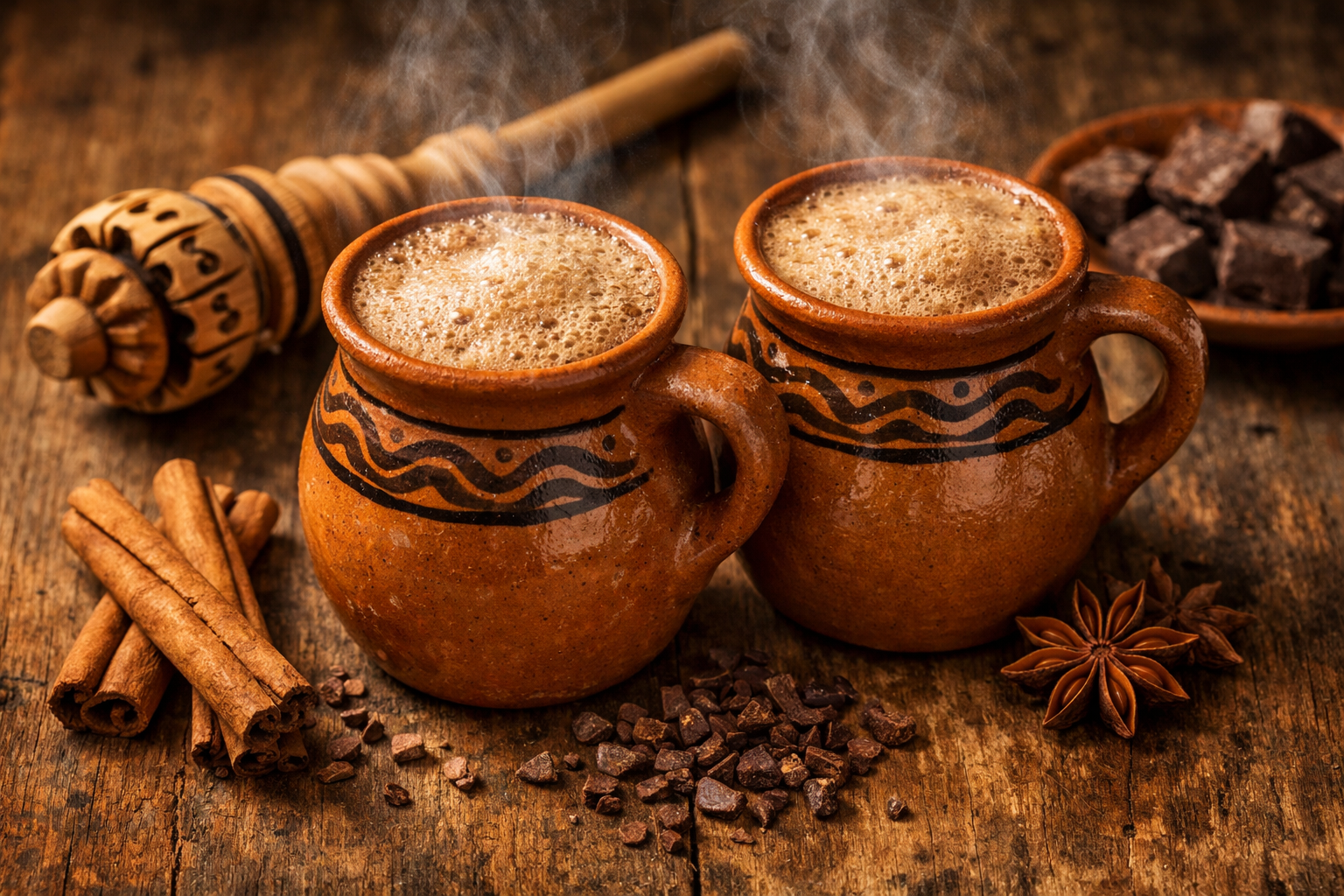
Mexican hot chocolate is made by melting dark chocolate with warm milk, cinnamon, vanilla, and a pinch of cayenne pepper. Unlike American hot cocoa, it uses real chocolate instead of powder and is whisked vigorously with a molinillo (traditional wooden whisk) to create a rich, frothy drink. The result is spicier, earthier, and more complex than standard hot chocolate.
Introduction: More Than Just Hot Chocolate
Growing up, my abuela would make this for us on cold mornings, and it was nothing like the thin, overly sweet stuff that comes in packets. Mexican hot chocolate is thick, spiced, and has this warmth that hits different—partly from the cinnamon, partly from the optional cayenne that sneaks up on you.
Here's the thing about authentic Mexican hot chocolate: it's not complicated, but it is specific. The chocolate matters. The spices matter. And yeah, the whisking technique actually matters too. You're not just stirring ingredients together—you're creating something with texture and depth that has roots in ancient Mesoamerican drinking chocolate traditions.
In this guide, you'll learn the traditional method passed down through generations, understand why certain ingredients are non-negotiable, and get the exact ratios that create that perfect balance between rich chocolate and warming spices. Whether you're making this for Día de los Muertos, a cold winter morning, or just because Wednesday feels like a Mexican hot chocolate kind of day, this recipe delivers.

What Makes Mexican Hot Chocolate Different from Regular Hot Chocolate?
The Chocolate Base
Mexican hot chocolate uses actual chocolate—specifically, chocolate with a high cacao content (usually 70% or higher). American hot cocoa relies on cocoa powder, which gives you chocolate flavor but lacks the rich, velvety texture that comes from cocoa butter. When you use real cacao paste or dark chocolate, you're getting the full spectrum of cacao compounds, including those feel-good chemicals like theobromine and anandamide that make chocolate actually euphoric.
The traditional Mexican chocolate tablets (like Abuelita or Ibarra) contain cinnamon and sugar already mixed in, but we're going with pure cacao so you control the sweetness level and ingredient quality.
The Spice Profile
Three spices define Mexican hot chocolate: cinnamon (canela), vanilla, and sometimes cayenne or chili powder. The cinnamon isn't just for flavor—it's believed to help regulate blood sugar and adds that warm, aromatic quality that makes the drink feel comforting. Real vanilla bean or extract brings depth, while cayenne creates a subtle heat that appears on the finish, not the front.
The Preparation Method
The molinillo is the secret weapon. This traditional wooden whisk creates foam by spinning rapidly between your palms, aerating the chocolate and creating that signature frothy top layer. Don't have one? A regular whisk works if you put in the effort, or you can use a milk frother. But whatever you do, don't just stir it lazily with a spoon—you'll miss the textural magic.
Essential Ingredients for Authentic Mexican Hot Chocolate
Core Ingredients
Dark Chocolate or Cacao
You need 2 ounces of quality dark chocolate per serving (70-85% cacao works best). Our organic cacao powder is sourced from Peruvian heirloom cacao and gives you that deep, earthy chocolate flavor without any processing. If you're using chocolate bars, chop them finely so they melt evenly.
Whole Milk or Plant-Based Alternative
Traditional recipes use whole milk for richness, but oat milk works surprisingly well because it froths beautifully and has natural sweetness. Almond milk is fine but a bit thin. Coconut milk makes it extra creamy but adds coconut flavor (which some people love). You need about 1 cup (8 oz) per serving.
Cinnamon Stick (Canela)
Use a whole cinnamon stick, preferably Ceylon cinnamon if you can find it. Mexican cinnamon (canela) is softer and sweeter than the cassia cinnamon most Americans buy. Steeping the stick in the milk infuses the entire drink, versus ground cinnamon which can get grainy.
Real Vanilla Extract
A teaspoon of pure vanilla extract per serving adds complexity. Don't skip this—vanilla brings out the chocolate's flavor notes and adds that subtle floral quality.
Natural Sweetener
Coconut sugar is ideal because it has a slight caramel flavor that complements chocolate without being cloying. You can use honey, maple syrup, or agave, but start with 1 tablespoon and adjust to taste. Traditional recipes are less sweet than American hot cocoa.
Cayenne Pepper (Optional but Recommended)
Just 1/4 teaspoon adds warmth without making it spicy. The heat shows up at the end of each sip, creating this pleasant warming sensation. If you're nervous, start with a tiny pinch and increase next time.
Sea Salt
A small pinch enhances all the other flavors. Salt makes chocolate taste more chocolatey—it's the same reason why salted caramel works so well.
Quality Matters
The difference between using convenience store cocoa powder versus organic fair-trade cacao is night and day. Cacao from Peru's Huallaga Valley has floral notes and complexity you won't find in mass-market chocolate. Plus, you're supporting regenerative farming practices instead of industrial monoculture.

Step-by-Step Traditional Mexican Hot Chocolate Recipe
Prep Time: 5 minutes | Cook Time: 5 minutes | Servings: 2
Ingredients:
- 2 cups whole milk (or oat milk)
- 2 oz dark chocolate (70%+ cacao), finely chopped
- 1 cinnamon stick (Ceylon or canela)
- 1 tsp pure vanilla extract
- 1-2 tbsp coconut sugar (adjust to taste)
- 1/4 tsp cayenne pepper (optional)
- Pinch of sea salt
Instructions:
-
Heat the Milk with Cinnamon
Pour milk into a medium saucepan and add the cinnamon stick. Heat over medium heat until you see steam rising and tiny bubbles forming at the edges (about 4 minutes). Don't let it boil—you want it hot but not scalding (around 160-180°F). -
Add the Chocolate
Reduce heat to low. Add your finely chopped chocolate. The smaller the pieces, the faster and more evenly they'll melt. Stir gently with a wooden spoon until the chocolate is about 80% melted. -
Incorporate Spices and Sweetener
Add vanilla extract, coconut sugar, cayenne pepper, and sea salt. This is when the magic happens—all these flavors start mingling with the chocolate. -
Whisk Vigorously
Remove from heat. This is crucial: take your whisk (or molinillo if you have one) and whisk rapidly in a circular motion for 30-60 seconds. You're trying to create foam on top. With a molinillo, you'd spin it between your palms. With a whisk, use quick wrist movements. You should see the liquid getting frothy and lighter in color. -
Taste and Adjust
Remove the cinnamon stick. Taste your hot chocolate. Need more sweetness? Add a bit more sugar. Want more heat? A tiny pinch more cayenne. The beauty of making it from scratch is you control everything. -
Serve Immediately
Pour into mugs while it's still frothy. The foam should sit on top like a little chocolate cloud. Serve hot.
Pro Tips for Perfect Texture
- Temperature control: If the milk gets too hot before adding chocolate, the cocoa butter can separate and make it greasy. Keep it below 180°F.
- Chopping chocolate: Use a serrated knife to chop chocolate into pea-sized pieces or smaller. Larger chunks take forever to melt.
- Whisking technique: The foam comes from incorporating air, not from stirring. Think vertical whisking motion, not circular stirring.
- Resting time: Let it sit for 30 seconds after whisking before pouring. This lets the foam settle and the flavors integrate.
Modern Variations on Traditional Mexican Hot Chocolate
Vegan Mexican Hot Chocolate
Swap whole milk for oat milk (specifically barista blend because it froths better). Use vegan dark chocolate. Everything else stays the same. The texture is remarkably similar, and oat milk's natural sweetness means you might use less sugar.
Spiced Mocha Version
Add 1-2 shots of espresso when you add the vanilla. The coffee enhances the chocolate's flavor without overwhelming it. This is basically a Mexican café de olla meets hot chocolate.
Extra-Spicy Version
Increase cayenne to 1/2 tsp and add a small piece of fresh ginger (about 1/2 inch, sliced thin). Steep the ginger with the cinnamon stick. The ginger adds a different type of heat and some citrus notes.
Protein-Boosted Version
Add 1 scoop of unflavored or vanilla protein powder after whisking. Use an immersion blender to fully incorporate it. This turns your hot chocolate into a post-workout recovery drink that actually tastes incredible.

Coconut Milk Powder
A spoonful in hot water + cacao paste makes the kind of creamy plant-based hot chocolate that tastes indulgent without any of the dairy aftermath. Pure coconut.
Shop coconut milk powder →Sugar-Free Version
Use our sugar-free drinking chocolate as the base, which is sweetened with allulose (a natural sugar that doesn't impact blood glucose). Add the spices as usual. Perfect if you're managing diabetes or doing keto.
The Cultural History Behind Mexican Hot Chocolate
Ancient Mesoamerican Origins
Mexican hot chocolate traces back to the ancient Mayans and Aztecs, who consumed cacao as a bitter, frothy beverage called "xocolātl" (pronounced show-co-LAH-til). They mixed ground cacao beans with water, chili peppers, vanilla, and various spices, serving it cold or at room temperature. The Aztec emperor Moctezuma supposedly drank 50 cups a day, believing it had aphrodisiac and energy-boosting properties.
Here's the interesting part: the Aztecs valued cacao so highly that they used the beans as currency. You could buy a turkey for 100 cacao beans. The drink was reserved for nobility, warriors, and important ceremonies—commoners rarely had access to it.
Spanish Influence and Evolution
When Spanish conquistadors arrived in the 1500s, they brought the cacao back to Europe but modified the recipe by adding sugar and removing the chili peppers (though some Mexican regions kept the spicy tradition alive). The addition of cinnamon came from Spanish influence, as Spain had access to Asian spices through trade routes.
The drink evolved over centuries, with different regions developing their own variations. Oaxaca became famous for its chocolate preparation using a molcajete (grinding stone) and molinillo. Mexico City's version became sweeter and creamier. Chiapas kept it more traditional with less sugar and more spice.
Modern Mexican Chocolate Culture
Today, Mexican hot chocolate is deeply woven into daily life and celebrations. It's served at Día de los Muertos altars as an offering to deceased loved ones. It's the traditional drink accompanying pan dulce (sweet bread) at breakfast or afternoon merienda. Street vendors sell it from large pots, and families pass down their preparation techniques through generations.
The commercial chocolate tablets (Abuelita, Ibarra, Mayordomo) made preparation accessible to everyone, but many families still make it from scratch using pure cacao, believing it to be healthier and more flavorful than the premixed versions.
Health Benefits of Mexican Hot Chocolate (When Made Right)
Antioxidant Powerhouse
Real cacao is one of the most antioxidant-rich foods on earth, scoring higher than blueberries or acai on the ORAC scale (Oxygen Radical Absorbance Capacity). These antioxidants—specifically flavonoids like epicatechin—have been studied extensively for cardiovascular benefits. A 2017 study in the Journal of Nutritional Biochemistry found that cacao flavonoids improved blood flow and reduced blood pressure in participants who consumed high-cacao chocolate daily.
Mood Enhancement
Cacao contains anandamide (sometimes called the "bliss molecule"), a neurotransmitter that binds to the same brain receptors as THC, creating feelings of happiness and relaxation. It also has phenylethylamine (PEA), the same chemical your brain produces when you fall in love. Plus, the magnesium in cacao helps regulate serotonin production, which is why chocolate genuinely makes you feel better.
Cinnamon's Benefits
Ceylon cinnamon has been shown to help regulate blood sugar levels by improving insulin sensitivity. It also has anti-inflammatory properties and contains compounds that may support brain health. A study published in Diabetes Care found that cinnamon consumption led to significant decreases in fasting glucose levels.
Cayenne's Metabolism Boost
Capsaicin, the compound that makes cayenne spicy, has thermogenic properties—meaning it temporarily increases your metabolic rate. Research suggests it may also reduce appetite and increase fat oxidation. The warmth you feel isn't just psychological; your body is genuinely generating more heat.
What to Avoid
Commercial hot chocolate mixes typically contain corn syrup, artificial flavors, hydrogenated oils, and minimal actual chocolate. They're basically sugar delivery systems. When you make Mexican hot chocolate from scratch with quality organic cacao, you're getting genuine nutrition along with the indulgence.
Common Mistakes (and How to Fix Them)
Mistake #1: Using Milk Chocolate
Milk chocolate doesn't have enough cacao content and contains too much sugar and milk powder. You'll end up with something overly sweet without that deep chocolate flavor. Stick with dark chocolate that's at least 70% cacao.
Fix: If you only have milk chocolate, use less of it and add 1-2 tablespoons of unsweetened cacao powder to boost the chocolate intensity.
Mistake #2: Not Whisking Enough
If you just stir lazily, you'll have a decent chocolate drink but you'll miss the signature frothy texture that defines Mexican hot chocolate. The foam isn't just aesthetic—it changes the mouthfeel and makes each sip feel luxurious.
Fix: Set a timer for 30 seconds and actually whisk vigorously. Your arm might get tired. That's good. You're building character and foam.
Mistake #3: Boiling the Milk
Boiling causes milk proteins to denature and can make your chocolate grainy or separated. The cocoa butter might separate and float on top as oily slicks.
Fix: Use medium heat and remove from heat the moment you see steam and small bubbles around the edges. Around 160-170°F is perfect.
Mistake #4: Adding All the Sweetener at Once
Everyone's sweetness preference differs wildly. Some people like Mexican hot chocolate barely sweetened (traditional style), while others want it sweeter.
Fix: Start with 1 tablespoon of sweetener, taste, then add more if needed. You can always add more; you can't take it back.
Mistake #5: Skipping the Salt
Salt is a flavor enhancer. Without it, your hot chocolate will taste flat even if you have quality ingredients.
Fix: Add a tiny pinch of sea salt. If you can taste the salt, you added too much. You should just taste better chocolate.
Mistake #6: Using Pre-Ground Cinnamon Only
Ground cinnamon settles at the bottom and can make your drink gritty. It also oxidizes quickly and loses aromatic compounds.
Fix: Always steep with a whole cinnamon stick for better flavor distribution. You can add a pinch of ground cinnamon at the end for extra cinnamon-forward flavor if you want.
FAQs About Mexican Hot Chocolate
What makes Mexican hot chocolate different from regular hot chocolate?
Mexican hot chocolate includes cinnamon, vanilla, and often a touch of cayenne pepper for warmth. It's traditionally made with darker chocolate and uses a molinillo (wooden whisk) to create a frothy texture. The flavor is earthier and spicier than American hot cocoa, which tends to be sweeter and made with cocoa powder rather than real chocolate.
Can I make Mexican hot chocolate without a molinillo?
Yes, absolutely. Use a regular whisk and whisk vigorously in a circular motion to create foam. A milk frother or immersion blender also works perfectly. The key is incorporating air to get that signature frothy texture. Some people even shake the hot chocolate in a sealed mason jar to create foam (let it cool slightly first).
Is Mexican hot chocolate healthier than regular hot chocolate?
When made from scratch with quality ingredients, Mexican hot chocolate provides significantly more antioxidants and beneficial compounds than commercial hot cocoa mixes. The higher cacao content delivers more flavonoids, magnesium, and iron. However, commercial Mexican chocolate tablets can be high in sugar, so making it from pure organic cacao gives you the most control over nutrition.
How spicy should Mexican hot chocolate be?
Traditionally, Mexican hot chocolate has a subtle warmth that you notice on the finish, not an overwhelming spice. Start with 1/4 teaspoon of cayenne for 2 servings and adjust based on your heat tolerance. The spice should enhance, not dominate. You're looking for warmth, not pain.
Can I make Mexican hot chocolate ahead of time?
You can prep the chocolate mixture ahead and store it in the fridge for up to 3 days. When ready to serve, reheat gently over medium-low heat while whisking continuously. The foam won't last, so you'll need to whisk vigorously again before serving. It's really best made fresh, but the convenience factor sometimes wins.
What's the best chocolate to use for Mexican hot chocolate?
Use dark chocolate with 70-85% cacao content. Look for chocolate made from quality cacao beans—single-origin chocolate from Mexico, Peru, or Ecuador offers the most authentic flavor profile. Our cacao paste is ideal because it's minimally processed and contains the full spectrum of cacao's natural fats and flavor compounds.
Why is my Mexican hot chocolate grainy?
Graininess usually comes from chocolate that didn't fully melt or from cocoa powder that wasn't properly incorporated. Make sure your chocolate is finely chopped and your liquid is warm enough (but not boiling). Whisk continuously as the chocolate melts. If using cocoa powder, create a paste with a small amount of warm liquid first before adding to the full batch.
Is Mexican hot chocolate the same as Abuelita?
Abuelita is a brand of Mexican chocolate tablets that contain chocolate, sugar, cinnamon, and other ingredients premixed. It's convenient and nostalgic for many people, but making Mexican hot chocolate from scratch gives you control over ingredient quality and sweetness levels. You can replicate the Abuelita flavor by using the right spice ratios with quality chocolate.
Conclusion: Your Perfect Cup Awaits
Making authentic Mexican hot chocolate isn't complicated, but it does require respect for the ingredients and the process. When you take the time to use quality organic cacao, steep real cinnamon, and whisk until your arm gets tired, you're not just making a drink—you're connecting with centuries of tradition.
Here's what matters:
- Use real dark chocolate (70%+ cacao) for depth and richness
- Include the traditional spices: cinnamon, vanilla, and optional cayenne
- Whisk vigorously to create that signature frothy texture
- Adjust sweetness to your preference—traditional versions are less sweet than American hot cocoa
- Serve it hot and share it with people you care about
The difference between powder-packet hot cocoa and authentic Mexican hot chocolate made from scratch is the difference between a frozen pizza and one from a wood-fired oven. Both are technically the same food category, but the experience is entirely different.
Ready to Make the Best Mexican Hot Chocolate You've Ever Tasted?
Start with the foundation that matters—quality cacao. Our organic fair-trade cacao products come from regenerative farms in Peru's Huallaga Valley, where heirloom cacao grows in ecologically diverse conditions. No processing shortcuts, no questionable additives, just pure cacao that tastes the way chocolate is supposed to taste.
Shop Premium Cacao Products Now and experience the difference that ethical, high-quality ingredients make in every cup.
Want more hot chocolate inspiration? Check out our guides on making hot chocolate with cacao powder and the difference between hot chocolate and hot cocoa to level up your chocolate drink game even further.
More Coracao chocolate
Maker-direct bars and pantry staples. Single-origin cacao, no refined sugar shortcuts.

- 99% cacao, zero added sugar
- USDA Organic, Fair Trade
- ~30 mg natural caffeine / oz

- 81% dark, single-origin cacao
- Toasted almonds, flaky sea salt
- Salty-sweet crunch in every bite

- Plant-based milk chocolate
- Crisped quinoa, no wheat
- Sugar-free

Claire Bennett
I'm Claire, a chocolate lover and artisan based in a small town where I run a tiny home kitchen dedicated to exploring everything chocolate. From single-origin dark bars to creamy ganache and handmade truffles, I find joy in working with all types of chocolate. I believe chocolate has a story, and I love bringing that story to life through humble, heartfelt creations.

Leave a comment
This site is protected by hCaptcha and the hCaptcha Privacy Policy and Terms of Service apply.