


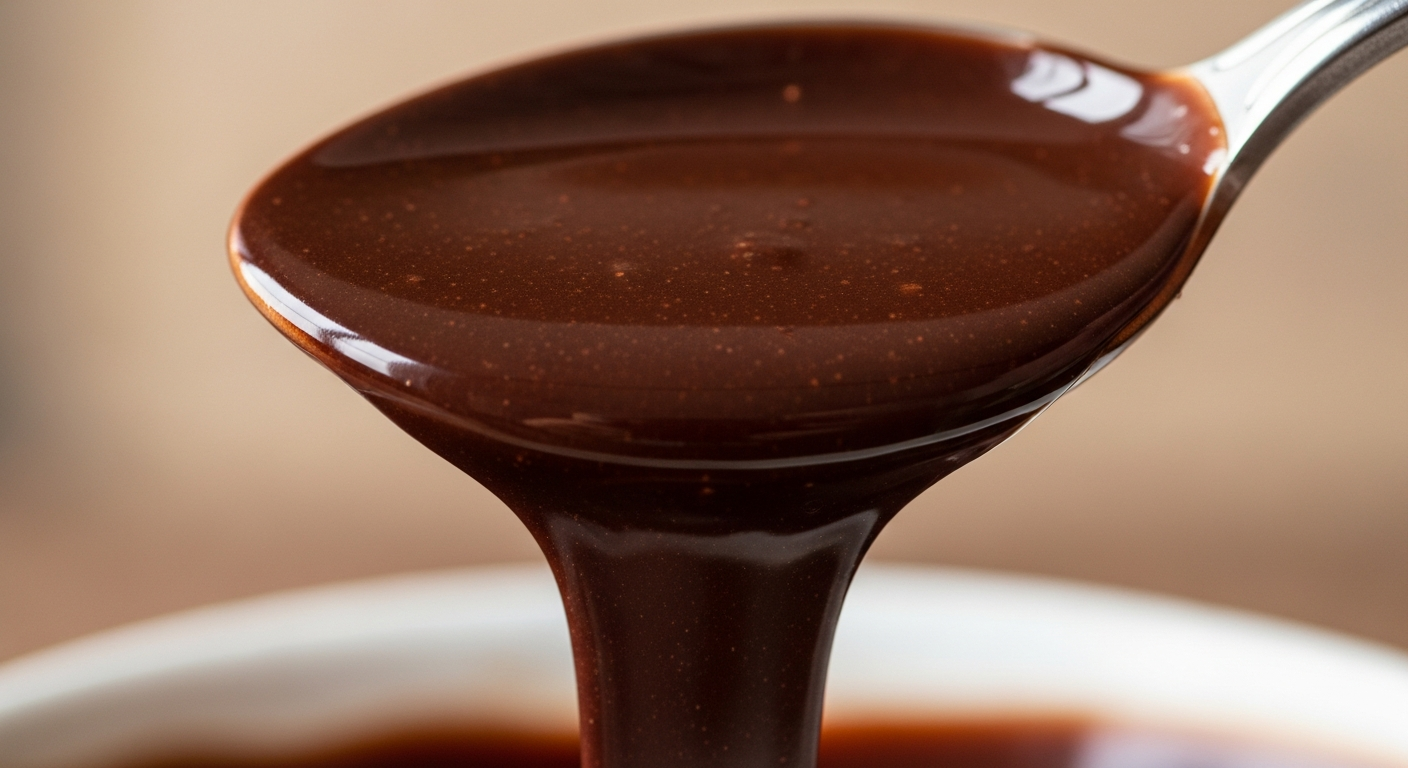
The Complete Guide to Vegan Chocolate for Melting: Tips, Techniques, and Best Products
Melting chocolate is an essential skill for any home baker or dessert enthusiast. But if you're following a plant-based lifestyle, you might wonder: does vegan chocolate melt as smoothly as traditional chocolate? The answer is absolutely yes! In fact, with the right products and techniques, vegan chocolate for melting can deliver incredible results that rival any dairy-based alternative.
Whether you're coating strawberries, creating silky ganache, drizzling over brownies, or crafting homemade truffles, understanding how to work with vegan melting chocolate opens up a world of delicious possibilities. This comprehensive guide will walk you through everything you need to know about melting vegan chocolate perfectly every time.
What Makes Vegan Chocolate Different from Regular Chocolate?
Traditional chocolate often contains milk solids, butter, or other dairy products that affect its melting properties. Vegan chocolate eliminates these animal-derived ingredients entirely, relying instead on plant-based alternatives that create equally smooth and delicious results.
The key components in quality vegan chocolate for melting include cacao (or cocoa), plant-based fats like organic cacao butter, and natural sweeteners such as coconut sugar. These ingredients work together to create chocolate that melts beautifully without any dairy whatsoever.
When you choose high-quality vegan chocolate from conscious producers, you're getting pure ingredients without unnecessary additives or stabilizers. This actually makes vegan chocolate more predictable and easier to work with when melting.

Best Types of Vegan Chocolate for Melting
Not all vegan chocolates are created equal when it comes to melting. Here's what works best for different applications:
Dark Vegan Chocolate
Dark chocolate with 60-85% cacao content is naturally vegan-friendly and melts like a dream. The higher cocoa butter content creates that smooth, glossy finish you're looking for. Dark chocolate works beautifully for coating, dipping, and creating rich ganaches.
For exceptional results, try using pure organic cacao paste combined with cacao butter. This gives you complete control over sweetness and creates professional-quality melted chocolate.
Vegan Milk Chocolate Alternatives
Vegan milk chocolate uses plant-based milk alternatives like coconut milk, almond milk, or oat milk to achieve that creamy texture. These melt wonderfully for recipes that call for a sweeter, milder chocolate flavor.
Sugar-Free Vegan Chocolate
For those watching their sugar intake, sugar-free vegan chocolate can be melted just as successfully as traditional varieties. These chocolates use natural sweeteners like stevia or allulose and maintain excellent melting properties for guilt-free desserts.

Perfect Techniques for Melting Vegan Chocolate
Mastering the art of melting chocolate comes down to three key factors: temperature control, avoiding moisture, and patience. Here are the proven methods:
Double Boiler Method (Most Reliable)
The double boiler method remains the gold standard for melting chocolate because it provides gentle, even heat that prevents scorching.
Fill a saucepan with 1-2 inches of water and bring to a simmer. Place a heat-safe bowl on top, ensuring it doesn't touch the water. Add your chopped vegan chocolate and stir occasionally as it melts. Remove from heat when about 80% melted and let residual heat finish the job.
This gentle approach works perfectly for all types of vegan chocolate and gives you the most control over the melting process. Learn more detailed melting techniques in our comprehensive guide.
Microwave Method (Quick and Convenient)
For faster results, melting chocolate in the microwave can work wonderfully with the right approach.
Use a microwave-safe bowl and heat at 50% power in 30-second intervals. Stir thoroughly after each interval. Continue until the chocolate is almost completely melted, then remove and stir until smooth. The residual heat will finish melting any remaining pieces.
Oven Method (For Large Quantities)
When melting larger amounts of vegan chocolate for big baking projects, try the oven method. Set your oven to the lowest temperature (around 150°F) and place chopped chocolate in an oven-safe bowl. Check and stir every few minutes until melted.
Common Mistakes to Avoid When Melting Vegan Chocolate
Even experienced bakers sometimes struggle with melted chocolate. Here's what to watch out for:
Overheating: Chocolate has a narrow optimal temperature range. Overheating causes the cocoa butter to separate, creating a thick, grainy mess. Always use low heat and remove from heat source before completely melted.
Water Contamination: Even a single drop of water can cause chocolate to "seize" - becoming thick and lumpy. Ensure all utensils and bowls are completely dry before starting.
Direct Heat: Never melt chocolate in a pan directly on the stovetop. The direct heat source is too intense and will scorch the chocolate.
Rushing the Process: Patience is your friend when melting chocolate. Low, slow heat creates smooth, workable results.

Creative Ways to Use Melted Vegan Chocolate
Once you've mastered melting vegan chocolate, the culinary possibilities are endless:
- Chocolate-Covered Treats: Dip strawberries, pretzels, or cookies for elegant desserts
- Ganache: Mix melted vegan chocolate with plant-based cream for frostings and fillings
- Chocolate Bark: Spread melted chocolate on parchment and top with nuts, dried fruit, or sea salt
- Vegan Fondue: Create an interactive dessert experience perfect for gatherings
- Drizzles and Decorations: Add elegant finishing touches to cakes and pastries
- Hot Chocolate: Transform your melted chocolate into a comforting beverage
For more inspiration, check out our guide to vegan chocolate chip cookies and chocolate brownies.
Choosing Quality Vegan Chocolate for Best Results
The quality of your starting ingredients dramatically affects your melting results. Here's what to look for:
Minimal Ingredients: The best vegan chocolate contains cacao, plant-based fat, and natural sweeteners - that's it. Avoid products loaded with unnecessary additives or stabilizers.
High Cocoa Content: Generally, higher cacao percentages (60% or more) contain more cocoa butter, which translates to smoother melting and better texture.
Organic and Fair Trade: Quality certifications often indicate better processing and fresher ingredients, which melt more consistently.
Fresh Products: Properly stored chocolate melts more predictably than old chocolate that may have bloomed or absorbed odors.
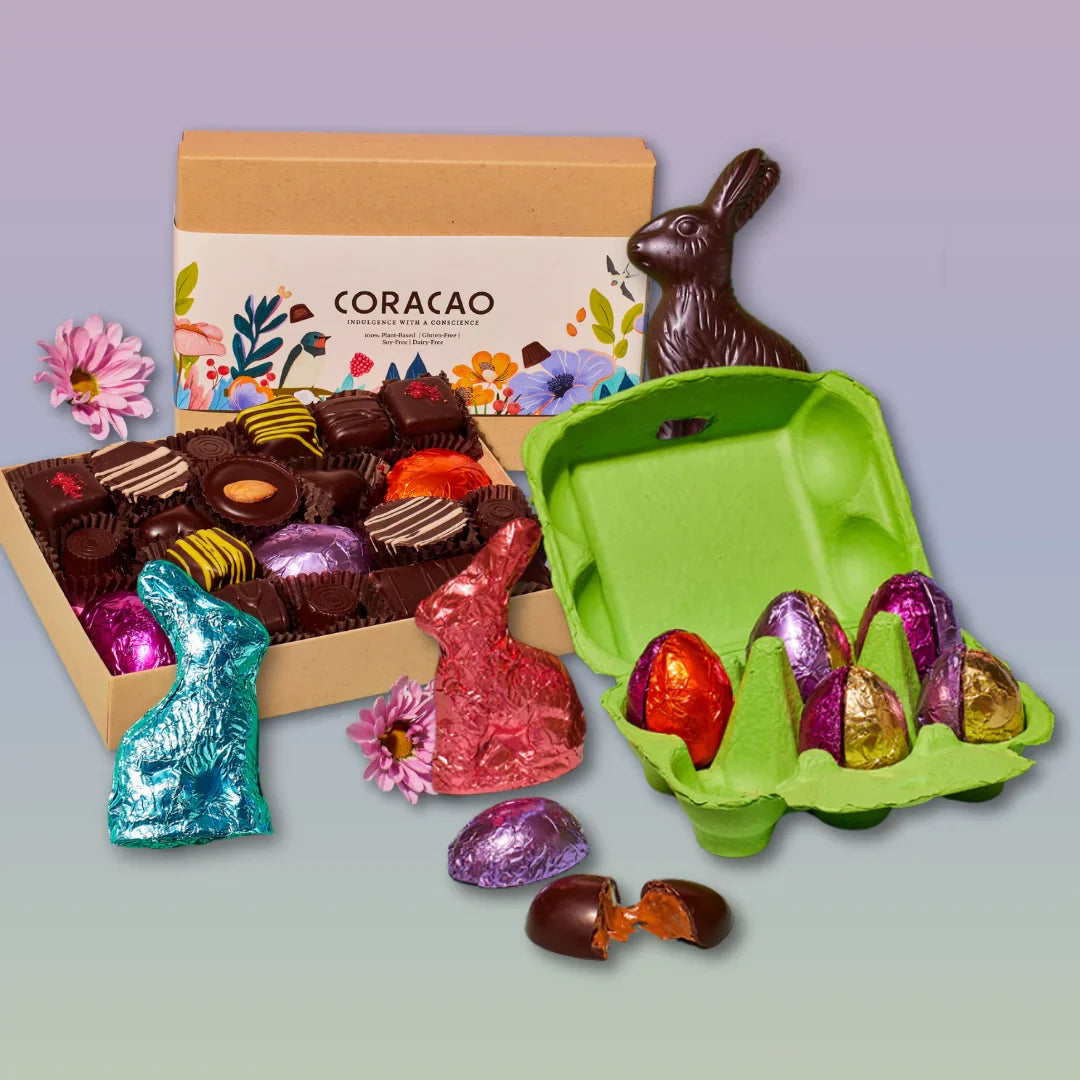
At Coracao Confections, our vegan chocolate bars and baking ingredients are specifically crafted with high-quality organic cacao and pure cocoa butter for exceptional melting performance.
Storing and Re-Melting Vegan Chocolate
Leftover melted chocolate doesn't need to go to waste. Pour it into silicone molds or spread it thinly on parchment paper to create chips or chunks you can use later.
Store solidified chocolate in an airtight container in a cool, dry place. Properly stored vegan chocolate can last 2-6 months. Dark chocolate keeps longest, while varieties with plant milk powders have shorter shelf lives.
You can re-melt chocolate multiple times as long as it hasn't been contaminated with water or other ingredients. Each time, use the same gentle heating methods to maintain quality.
FAQ About Vegan Chocolate for Melting
Q: Does vegan chocolate melt as smoothly as dairy chocolate?
A: Absolutely! High-quality vegan chocolate melts just as smoothly as traditional chocolate. The key is choosing chocolate with adequate cocoa butter content and using proper melting techniques. Many bakers actually prefer vegan chocolate because it contains fewer additives that can interfere with melting.
Q: Can I use vegan chocolate chips for melting and coating?
A: While you can melt vegan chocolate chips, they're designed to hold their shape during baking, so they contain slightly less cocoa butter. For best coating results, add 1-2 teaspoons of coconut oil or plant-based shortening per cup of chips. For professional applications, use chocolate specifically designed for melting, like cacao butter-based products.
Q: What's the best temperature for melting vegan chocolate?
A: Dark vegan chocolate should be melted to about 115-120°F maximum, then cooled slightly before use. The sweet spot for working temperature is around 88-90°F. Use a candy thermometer for precision, especially when tempering chocolate for professional results.
Q: Why does my melted vegan chocolate become thick or grainy?
A: This usually indicates one of two problems: overheating or water contamination. If chocolate becomes too hot, the cocoa butter separates. If water gets into the chocolate, it "seizes" and becomes grainy. To rescue seized chocolate, try whisking in 1 teaspoon of warm water or neutral oil per ounce of chocolate to create an emulsion.
Q: Can I add flavors or extracts to melted vegan chocolate?
A: Yes! Add flavor extracts, espresso powder, or spices to melted chocolate for customization. Use oil-based flavoring rather than water-based extracts when possible. Add flavorings after the chocolate is fully melted and slightly cooled. Just 1/4 teaspoon of extract per cup of melted chocolate is usually sufficient.
Featured Snippet Summary
Vegan chocolate melts smoothly using the double boiler method: simmer water in a pot, place bowl of chopped chocolate on top, and stir until 80% melted. Remove from heat and let residual warmth finish melting. Use dark chocolate with 60-85% cacao for best results. Avoid water contamination and overheating for perfect consistency every time.
Start Your Vegan Chocolate Melting Journey Today
Mastering vegan chocolate for melting opens up endless creative possibilities in your kitchen. Whether you're an experienced baker or just starting your plant-based journey, working with quality vegan chocolate is rewarding and surprisingly simple.
The key is starting with excellent ingredients. At Coracao Confections, we're passionate about providing organic, ethically sourced vegan chocolate products that deliver professional results. Our organic cacao butter, cacao powder, and chocolate bars are crafted specifically for both eating and cooking, giving you flexibility and exceptional flavor in every application.
Ready to create your own chocolate masterpieces? Explore our full collection of vegan baking ingredients and discover why conscious chocolate lovers choose Coracao for all their melting and baking needs. From simple chocolate-dipped strawberries to elaborate layered desserts, you'll achieve beautiful, delicious results every time.

Claire Bennett
I'm Claire, a chocolate lover and artisan based in a small town where I run a tiny home kitchen dedicated to exploring everything chocolate. From single-origin dark bars to creamy ganache and handmade truffles, I find joy in working with all types of chocolate. I believe chocolate has a story, and I love bringing that story to life through humble, heartfelt creations.

Leave a comment
This site is protected by hCaptcha and the hCaptcha Privacy Policy and Terms of Service apply.