


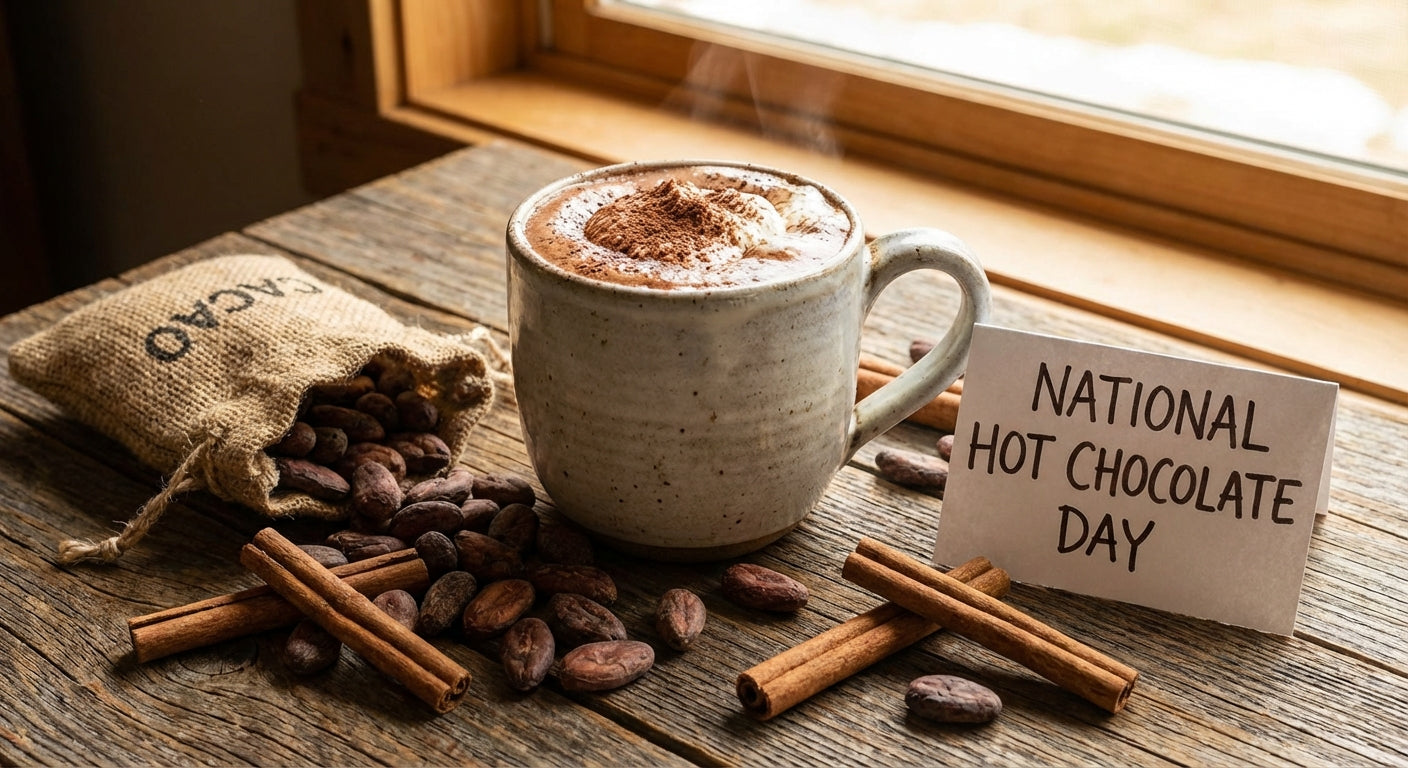
How to Celebrate National Hot Chocolate Day Like a True Chocolate Lover
The Rich History Behind National Hot Chocolate Day
Ancient Origins of Drinking Chocolate
The story of hot chocolate begins around 1900 BCE with the ancient Olmec civilization of Mesoamerica. These early chocolate pioneers consumed cacao as a bitter, frothy beverage called "xocolātl"—meaning "bitter water" in Nahuatl. Unlike today's sweet preparations, ancient drinking chocolate was:- Mixed with chili peppers and cornmeal
- Served at room temperature or slightly warm
- Reserved for royalty, warriors, and sacred ceremonies
- Believed to possess divine and medicinal properties
Why January 31st Became National Hot Chocolate Day
National Hot Chocolate Day was established to celebrate this warming beverage during the coldest month of the year in the Northern Hemisphere. According to the National Confectioners Association, Americans consume approximately **113 million cups of hot chocolate** during January alone. The date coincides with peak winter temperatures across most of the United States. Hot beverage sales typically increase by 40% during late January, making it the ideal time to honor this centuries-old comfort drink.
Hot Chocolate vs. Hot Cocoa: Understanding the Difference
One of the most common questions we hear is whether hot chocolate and hot cocoa are the same thing. The answer matters more than you might think—especially if you're seeking the richest, most flavorful experience.What Makes Hot Chocolate Different
**Hot chocolate** is made from actual chocolate—melted chocolate bars or chocolate shavings dissolved in heated milk or cream. This method produces a thicker, more luxurious beverage with complex flavor notes. Key characteristics of true hot chocolate:| Feature | Hot Chocolate | Hot Cocoa |
|---|---|---|
| Base Ingredient | Real chocolate or cacao | Cocoa powder |
| Texture | Rich, velvety, thick | Thin, watery |
| Fat Content | Contains cocoa butter | Cocoa butter removed |
| Flavor Complexity | Multi-layered notes | Simple, one-dimensional |
| Preparation Time | 5-10 minutes | 2-3 minutes |
The Role of Cacao Quality
The quality of your cacao source dramatically impacts flavor. Single-origin chocolate, like our 70% Ecuador Dark Chocolate Bar, brings distinct terroir characteristics to your cup. Ecuadorian cacao is prized for its floral aromatics and subtle fruity undertones. For deeper understanding of what makes Ecuadorian cacao exceptional, explore our guide on Cacao Origin: Ecuador. The volcanic soil and equatorial climate create flavor profiles impossible to replicate elsewhere.How to Make Perfect Artisan Hot Chocolate at Home
Creating exceptional hot chocolate requires attention to technique. Follow this step-by-step method developed through our years of chocolate craftsmanship.Ingredients for One Serving
- 2 oz high-quality dark chocolate (60-70% cacao)
- 1 cup whole milk or oat milk
- 1 tablespoon raw cacao powder
- 1 teaspoon coconut sugar or sweetener of choice
- Pinch of sea salt
- Optional: cinnamon, cayenne, or vanilla extract
Step-by-Step Preparation Method
Step 1: Finely chop your chocolate. Smaller pieces melt more evenly, preventing grainy texture.
Step 2: Heat milk in a saucepan over medium-low heat until small bubbles form around edges. Do not boil—temperatures above 180°F (82°C) can scorch milk proteins.
Step 3: Remove from heat. Add chopped chocolate and let sit for 30 seconds.
Step 4: Whisk vigorously in circular motions until completely smooth. Add cacao powder and sweetener.
Step 5: Return to low heat for 1-2 minutes, whisking continuously. Add salt and any optional spices.
Step 6: Pour into a warmed mug. Top with whipped cream, marshmallows, or a light dusting of cacao powder.
Pro Tip: For an authentic Mesoamerican experience, add a small pinch of cayenne pepper and ground cinnamon. This combination enhances chocolate's natural flavor compounds.

Health Benefits of Quality Hot Chocolate
When made with high-quality cacao, hot chocolate offers surprising nutritional benefits. Modern research supports what ancient civilizations intuitively understood about cacao's wellness properties.Nutritional Profile of Cacao
Pure cacao is one of nature's most antioxidant-rich foods. According to a 2024 study published in the Journal of Agricultural and Food Chemistry, cacao contains:- Flavanols: Compounds linked to improved cardiovascular health
- Theobromine: Natural mood elevator with gentle stimulant properties
- Magnesium: Essential mineral supporting muscle and nerve function
- Iron: Important for oxygen transport in blood
Cognitive and Mood Benefits
A 2025 systematic review in Frontiers in Nutrition found that regular cacao consumption correlates with:- Improved memory and cognitive function in adults over 50
- Reduced symptoms of anxiety and depression
- Enhanced blood flow to the brain
- Better focus and mental clarity
Creative Ways to Celebrate National Hot Chocolate Day 2026
Host a Hot Chocolate Tasting Party
Transform January 31st into a memorable gathering by hosting a hot chocolate tasting. Similar to wine tastings, this experience highlights how origin, processing, and cacao percentage affect flavor. Tasting setup suggestions:- Offer 3-4 different cacao percentages (55%, 65%, 75%, 85%)
- Include one single-origin and one blend for comparison
- Provide flavor note cards for guests to record impressions
- Pair with complementary treats like our Truffle Box
Create a DIY Hot Chocolate Gift Set
Package artisan drinking chocolate with accompaniments for a thoughtful winter gift:- High-quality drinking chocolate or chocolate bar
- Small jar of cinnamon sticks
- Vanilla bean or extract
- Artisan marshmallows
- Handwritten recipe card with personalized instructions
Try Global Hot Chocolate Variations
Explore how different cultures enjoy hot chocolate:| Country | Style | Key Ingredients |
|---|---|---|
| Mexico | Champurrado | Masa, cinnamon, piloncillo |
| Spain | Chocolate Caliente | Thick, pudding-like, served with churros |
| Italy | Cioccolata Calda | Dense, rich, often made with cornstarch |
| France | Chocolat Chaud | Bittersweet chocolate, cream |
| Colombia | Chocolate Santafereño | Served with cheese for dipping |

What Makes Artisan Drinking Chocolate Worth It?
Understanding the difference between commercial and artisan chocolate helps explain the significant quality gap. Our blog post What is Artisanal Chocolate dives deeper into this topic.Bean-to-Bar Process Explained
Artisan chocolate makers control every production step:- Sourcing: Direct relationships with cacao farmers
- Fermentation: Careful monitoring of flavor development
- Roasting: Custom profiles for each origin
- Grinding: Stone-ground for optimal texture
- Conching: Extended refinement for smoothness
- Tempering: Precise crystallization for snap and sheen
Frequently Asked Questions About National Hot Chocolate Day
When is National Hot Chocolate Day 2026?
National Hot Chocolate Day 2026 falls on Friday, January 31st. This unofficial food holiday occurs annually on January 31st, celebrating hot chocolate during the coldest part of winter in the Northern Hemisphere.What's the difference between hot chocolate and hot cocoa?
Hot chocolate is made from real chocolate containing cocoa butter, creating a rich, thick beverage. Hot cocoa uses processed cocoa powder with cocoa butter removed, producing a thinner, less complex drink. True hot chocolate offers superior flavor and texture.Is hot chocolate healthier than coffee?
Hot chocolate made with quality cacao contains beneficial antioxidants, magnesium, and mood-enhancing compounds. It has less caffeine than coffee but contains theobromine, a gentler stimulant. However, added sugars in commercial mixes can negate health benefits—choose dark chocolate-based preparations.What percentage of cacao is best for hot chocolate?
For balanced flavor, 60-70% cacao works well for most palates. This range provides chocolate intensity without excessive bitterness. Those preferring sweeter drinks may enjoy 55% cacao, while dark chocolate enthusiasts often prefer 70-75%.Can I make hot chocolate dairy-free?
Absolutely! Oat milk creates the creamiest dairy-free hot chocolate due to its natural fats and neutral flavor. Coconut milk adds tropical richness, while almond milk works but produces a thinner result. Avoid rice milk as it lacks the body needed for proper texture.How do I prevent hot chocolate from getting a skin on top?
Skin forms when milk proteins coagulate at the surface. Prevent this by whisking continuously while heating, covering your mug with a small plate, or adding a thin layer of whipped cream immediately after pouring.Why does artisan hot chocolate taste different from instant packets?
Artisan hot chocolate uses real chocolate with intact cocoa butter and complex flavor compounds developed through careful processing. Instant mixes contain processed cocoa powder, artificial flavors, and additives. The difference is similar to fresh-brewed coffee versus instant—both are technically the same beverage, but the experience differs dramatically.Conclusion: Make This National Hot Chocolate Day Unforgettable
National Hot Chocolate Day 2026 offers the perfect opportunity to elevate your relationship with this ancient, beloved beverage. Remember these key takeaways:First, quality matters—real chocolate creates infinitely better hot chocolate than processed cocoa powder. Second, technique influences results as much as ingredients; proper temperature control and whisking make the difference. Third, cacao offers genuine health benefits when minimally processed and consumed mindfully. Fourth, exploring global variations and hosting tastings transforms a simple drink into a cultural experience. Finally, understanding the bean-to-bar process helps you appreciate why artisan chocolate commands its reputation.
This January 31st, skip the instant packets. Treat yourself to something crafted with intention and care.
Claire Bennett
I'm Claire, a chocolate lover and artisan based in a small town where I run a tiny home kitchen dedicated to exploring everything chocolate. From single-origin dark bars to creamy ganache and handmade truffles, I find joy in working with all types of chocolate. I believe chocolate has a story, and I love bringing that story to life through humble, heartfelt creations.

Leave a comment
This site is protected by hCaptcha and the hCaptcha Privacy Policy and Terms of Service apply.